How We Treat and Help You Recover
We take a one-on-one approach to care, focused on understanding your injury, how your body moves, and what you need to get back to.
Every plan is built around you, not a template.
Hands-on treatment to reduce pain and restore movement
Targeted exercises to rebuild strength and stability
Movement retraining to prevent reinjury
Clear guidance so you know what to do between visits
What Treatment Looks Like
Your care is always one-on-one and built around your specific needs. Treatment may include hands-on therapy, guided exercise, and movement retraining to help reduce pain, restore mobility, and rebuild strength. Each session is adjusted based on your progress so you continue moving forward.
Physical Therapy Services

Orthopedic Evaluation
Your first visit is focused on understanding the full picture.
Detailed assessment of your injury, movement, and limitations
Identification of the root cause, not just symptoms
Hands-on treatment to begin addressing pain immediately
A clear plan for recovery and next steps
Cash Rate :$150

Treatment Session
*To be booked after an Initial Evaluation has been performed. Evaluation required for new injury or body region.
Each session builds on your progress and adapts to your needs.
Continued treatment to reduce pain and improve movement
Strength and mobility work tailored to your recovery stage
Progress tracking and adjustments to your plan
Guidance for activity, training, and return to sport
Cash Rate: $150
Treatment Methods and Assessment Tools
*Some advanced treatment and assessment tools may not reimbursable through insurance, please inquire at time of booking.
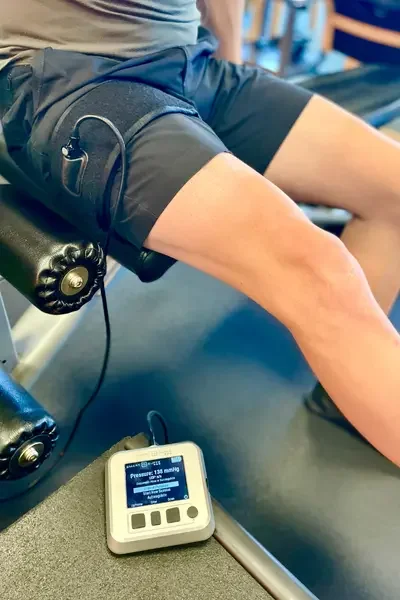
Blood Flow Restriction (BFR)
Blood Flow Restriction, or BFR, is an advanced rehabilitation technique that helps patients build strength using lighter resistance and less stress on the joints.
During BFR training, a specialized cuff is used to partially restrict blood flow while you exercise. This allows the body to create strength and muscle-building responses similar to heavier training, without requiring heavy loads.
BFR may be helpful after surgery, during injury recovery, or when pain, weakness, or weight-bearing limits make traditional strengthening difficult.
Benefits may include:
Improved strength and muscle activation
Reduced muscle loss during recovery
Faster return to activity
Less stress on joints and healing tissues
Better progression through rehabilitation
BFR is commonly used in sports medicine, post-operative rehabilitation, and performance-focused recovery.
Dry Needling
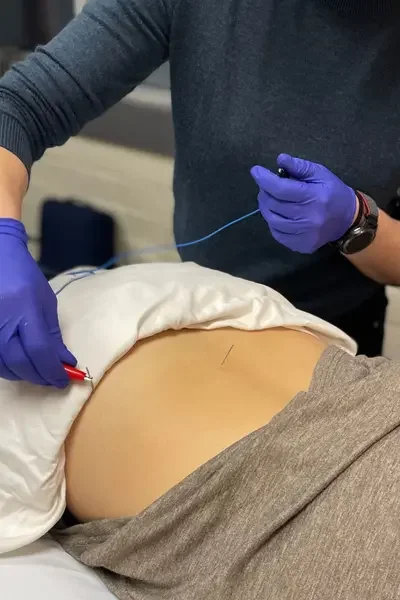
Dry needling is a skilled treatment technique used to reduce muscle tension, relieve pain, and improve movement quality.
Using a thin, sterile filament needle, the physical therapist targets areas of muscle tightness and trigger points that may contribute to pain, stiffness, weakness, or altered movement patterns.
Dry needling may be helpful for:
Muscle tightness and trigger points
Headaches, neck pain, and muscle tension
Tendinopathy and overuse injuries
Dry needling is often combined with manual therapy and corrective exercise to help patients move more efficiently and return to activity with less pain.
Manual Therapy
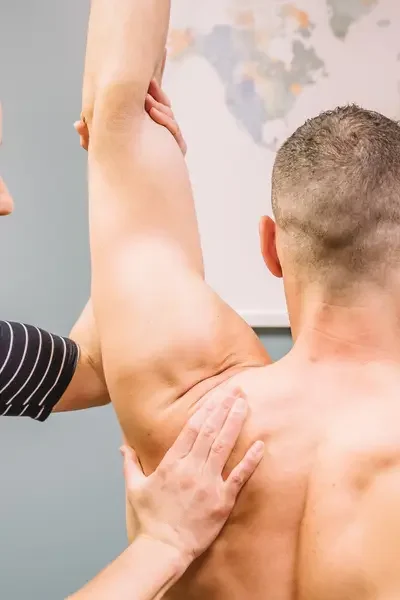
Manual therapy is hands-on treatment used to reduce pain, improve mobility, and prepare the body for better movement.
Your physical therapist may use manual therapy to address joint stiffness, soft tissue restrictions, muscle tension, or movement limitations that are affecting how you move and feel.
Manual therapy is most effective when combined with therapeutic exercise and movement retraining. Together, these treatments help create lasting improvements in strength, mobility, and performance.
Manual therapy techniques may include:
Joint mobilization
Soft tissue and myofascial treatment
Sport cupping
Instrument-assisted soft tissue mobilization
Muscle energy technique
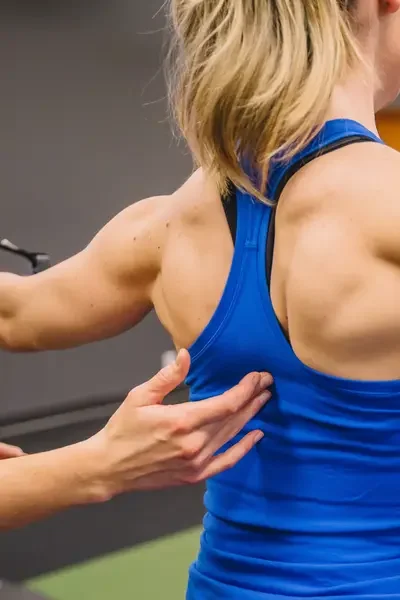
Corrective Exercise & Home Programming
Corrective exercise and home programming are designed to help you build strength, restore mobility, and continue progressing outside of your appointments.
Your program is based on your phase of healing, injury history, movement needs, and performance goals. Exercises are progressed with purpose so your body is challenged in ways that translate to daily movement, work demands, running, training, or sport.
Treatment may include:
Mobility and movement restoration
Progressive loading and strengthening
Power development
Plyometric and agility progression
Return-to-running and return-to-sport programming
Injury prevention and load management strategies
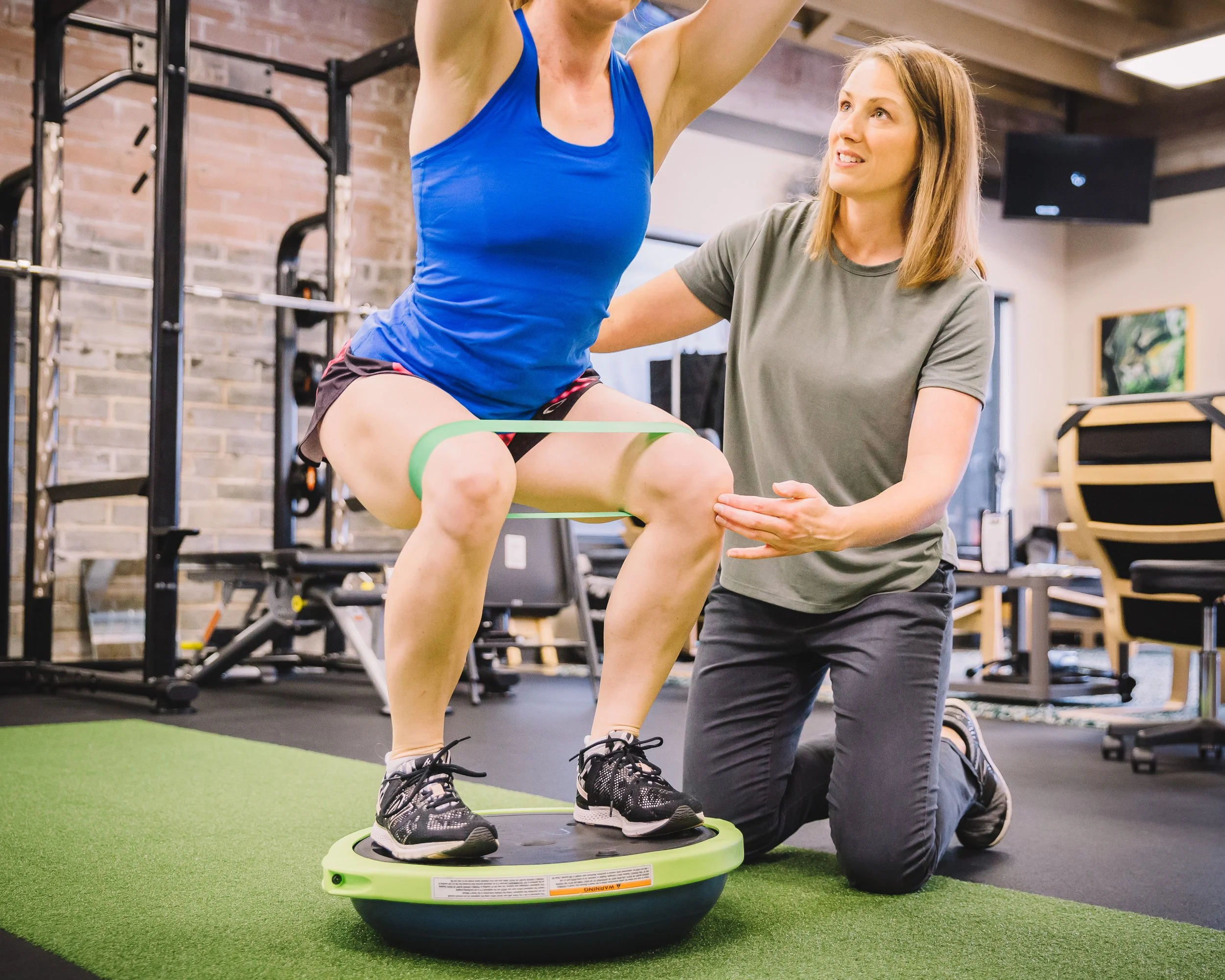
Neuromuscular Training
Neuromuscular training helps improve how your muscles, joints, and nervous system work together during movement.
This type of training is used to restore muscle activation, improve joint control, and build more efficient movement patterns. It can be especially helpful after injury, surgery, or periods of weakness when the body needs to relearn proper movement and control.
Treatment may include:
Movement pattern retraining
Landing mechanics
Dynamic balance, coordination, and agility drills
Postural re-education and core stabilization
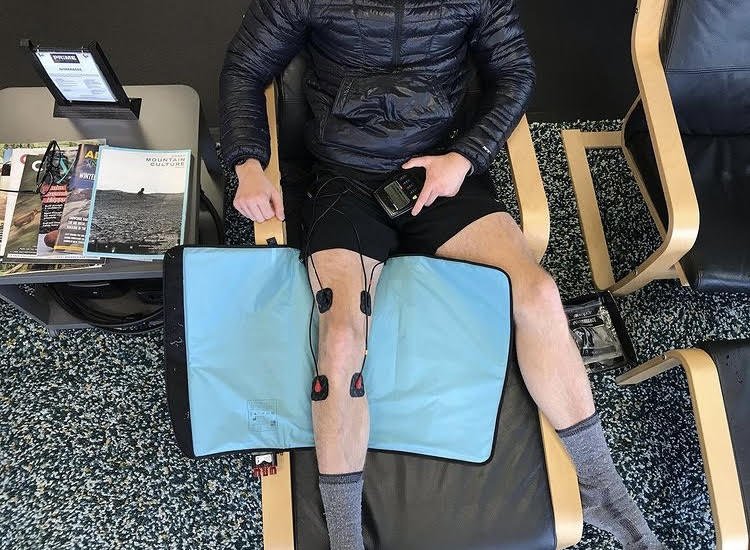
Neuromuscular electrical stimulation for early post-operative muscle activation
Manual resisted exercise techniques
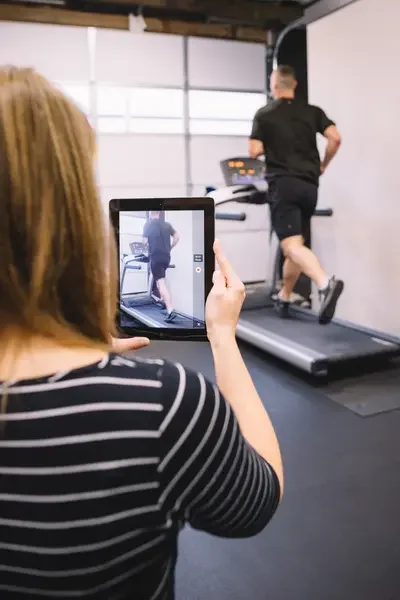
Running and Movement Analysis
For runners and active individuals, how you move matters.
Video gait analysis to assess running mechanics
Identification of inefficiencies contributing to pain or injury
Practical adjustments and exercises to improve movement and reduce risk
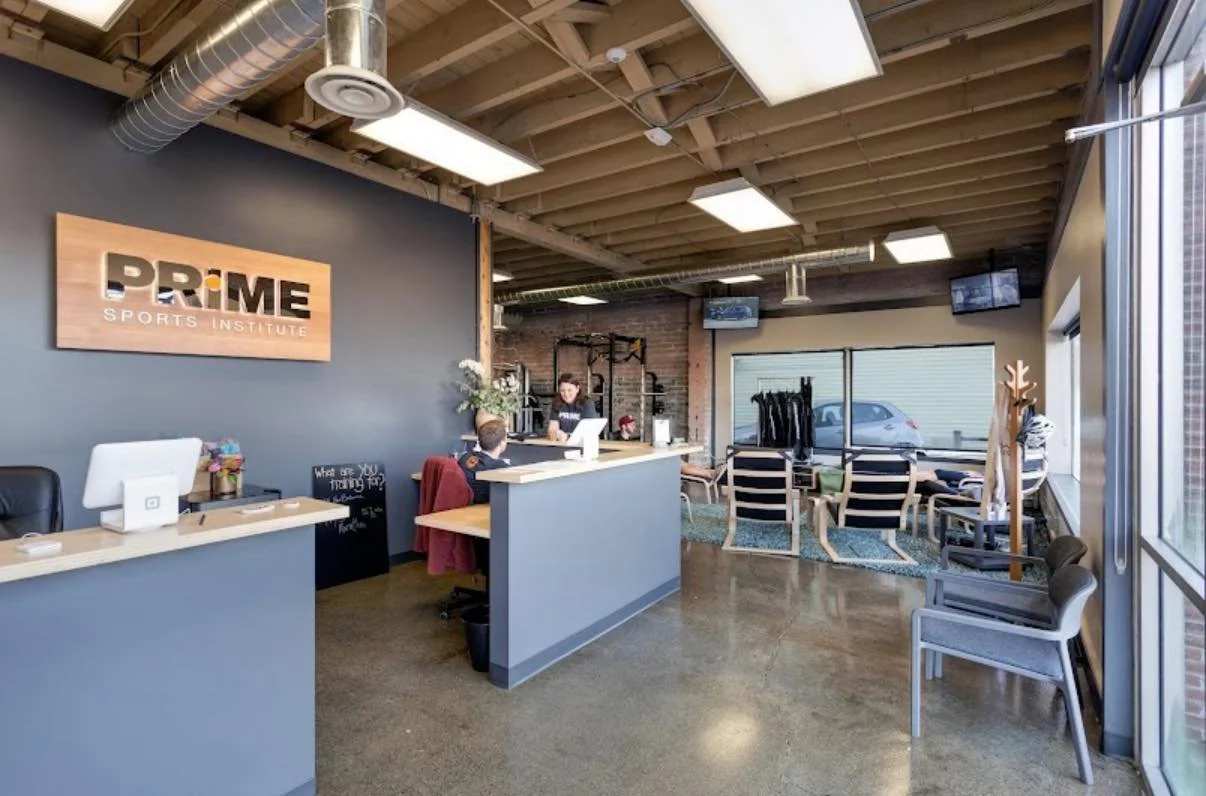
Access to Recovery Facilities at Prime Sports Institute
As part of your care, you have access to recovery tools and facilities inside Prime Sports Institute to support your progress between sessions.
Infrared sauna
Hot and cold tubs
Compression therapy (NormaTec)
Cold compression (GameReady)
Electrical stimulation (TENS/IFC)
Cold laser therapy
Guided Recovery
Ready to start your recovery?
Schedule your evaluation and get a plan built around you.